Exciting news for the lab - we have been awarded an ERC StG to study selective neuronal vulnerability in neurodegenerative diseases! 🎉
Institute of Human Genetics
@Medical University of Innsbruck
Neurogenetics Lab
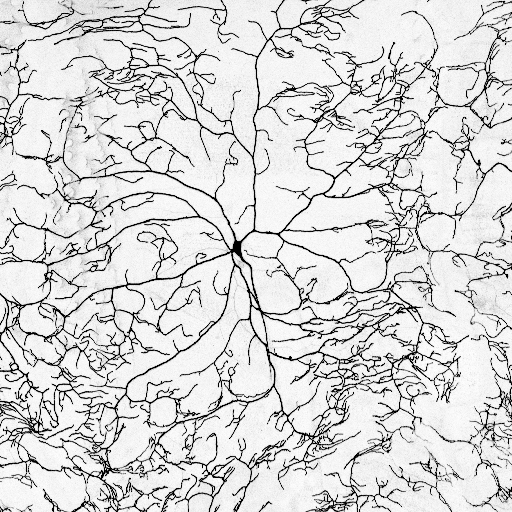
We study molecular and cellular mechanisms of neurogenetic and neurodegenerative disorders, with the ultimate aim of uncovering neuronal resilience mechanisms and new treatment targets.
To do this, we combine new sequencing methods and experimental models of neurogenetic disease.
News
Latest news
Research
Mechanisms of neurogenetic disease
Our group focuses on molecular and cellular mechanisms that shape neuronal vulnerability and resilience in neurogenetic and neurodegenerative disorders.
We use Drosophila models, human cell systems, microscopy, genome engineering, single-cell RNA sequencing and long-read whole-genome sequencing to connect disease variants with cellular phenotypes.
Team
People
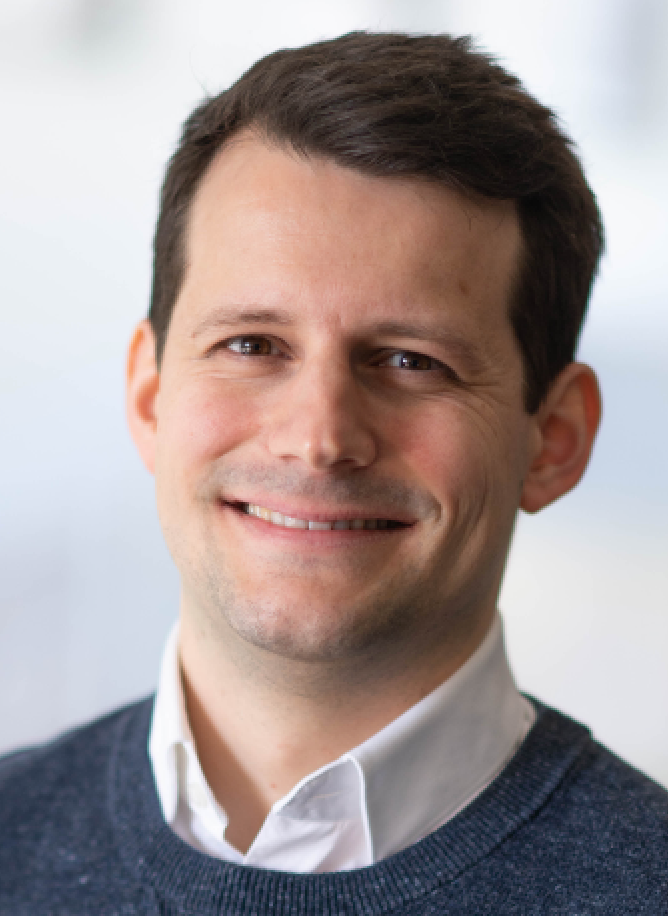
Roman Praschberger
PI
Roman studied Medicine and Philosophy at the Medical and Leopold-Franzens University of Innsbruck. He obtained his PhD in Neuroscience at University College London under the supervision of James Jepson, Jim Rothman, Dimitri Kullmann and Henry Houlden uncovering at the biophysical, cellular and neuronal levels how rare mutations in the Golgi SNARE protein GOSR2 lead to a severe and selective neurological disorder. As an EMBO post-doctoral fellow and staff scientist in the laboratory of Patrik Verstreken at the VIB-KU Leuven Center for Neuroscience he established a new approach to uncover neuron-subtype-specific vulnerability and resilience mechanisms in response to neurodegeneration-causing toxic proteins by combining brain-wide single-cell sequencing with in vivo genetic modifier screens in Drosophila. In December 2023 he joined the Medical University of Innsbruck as a Tenure-Track PI in Neurogenetics as well as Medical Genetics resident.
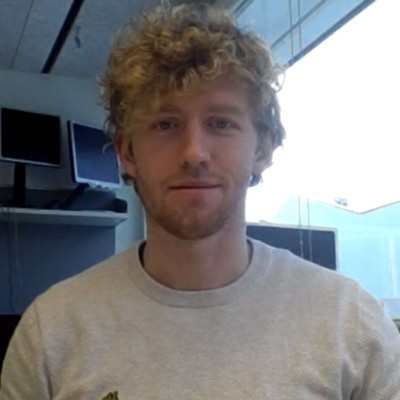
Christopher Dunworth
TA
Chris is originally from Ireland, now based in Innsbruck working as Lab Manager in the Praschberger Lab. He holds a PhD in Molecular Biology and focuses on understanding the genetic and molecular mechanisms underlying neuronal vulnerability in neurogenetic and neurodegenerative diseases. His work comprises Drosophila and cell culture work to facilitate the ongoing projects in the lab.
Outside the lab, Chris is passionate about spending time outdoors. Mostly cycling, whether it's road rides, gravel biking, or exploring the Tirol countryside. Also hiking in the Alps and trying to get into the mountains whenever he can. When Chris is not biking or hiking, you'll find him gaming, reading fantasy novels, or listening to comedy podcasts.
Always happy to chat about molecular biology, fly work, the best cycling routes around Innsbruck, or why Pokémon still holds up after all these years.
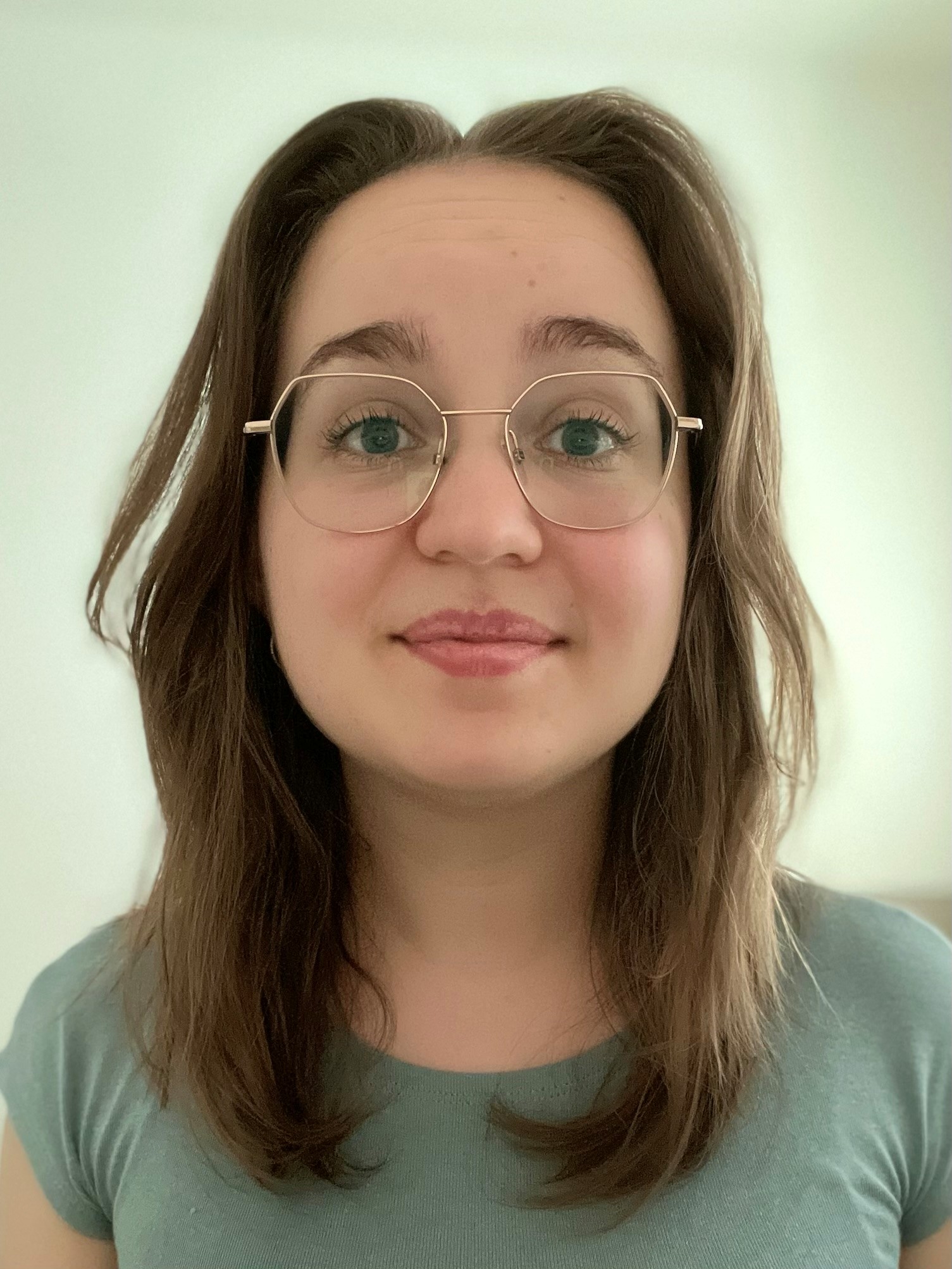
Julia Unterkalmsteiner
Clinical PhD student
Julia grew up in a small rural town in northern Italy. Early on she became interested in the natural sciences, which led her to attend a science-focused secondary school. She then moved to Innsbruck to study medicine at the Medical University of Innsbruck, developing a particular interest in human genetics. After graduating, she joined the Neurogenetics lab in December 2025 and conducted experiments with Drosophila melanogaster. She now pursues a clinical PhD on neuronal repeat expansion diseases, conducting research and improving diagnostic methods. She will undertake clinical training to qualify as a specialist in human genetics while continuing her research. Outside the lab, Julia enjoys photography, reading books, cooking, and going on long walks—preferably in the company of good friends.
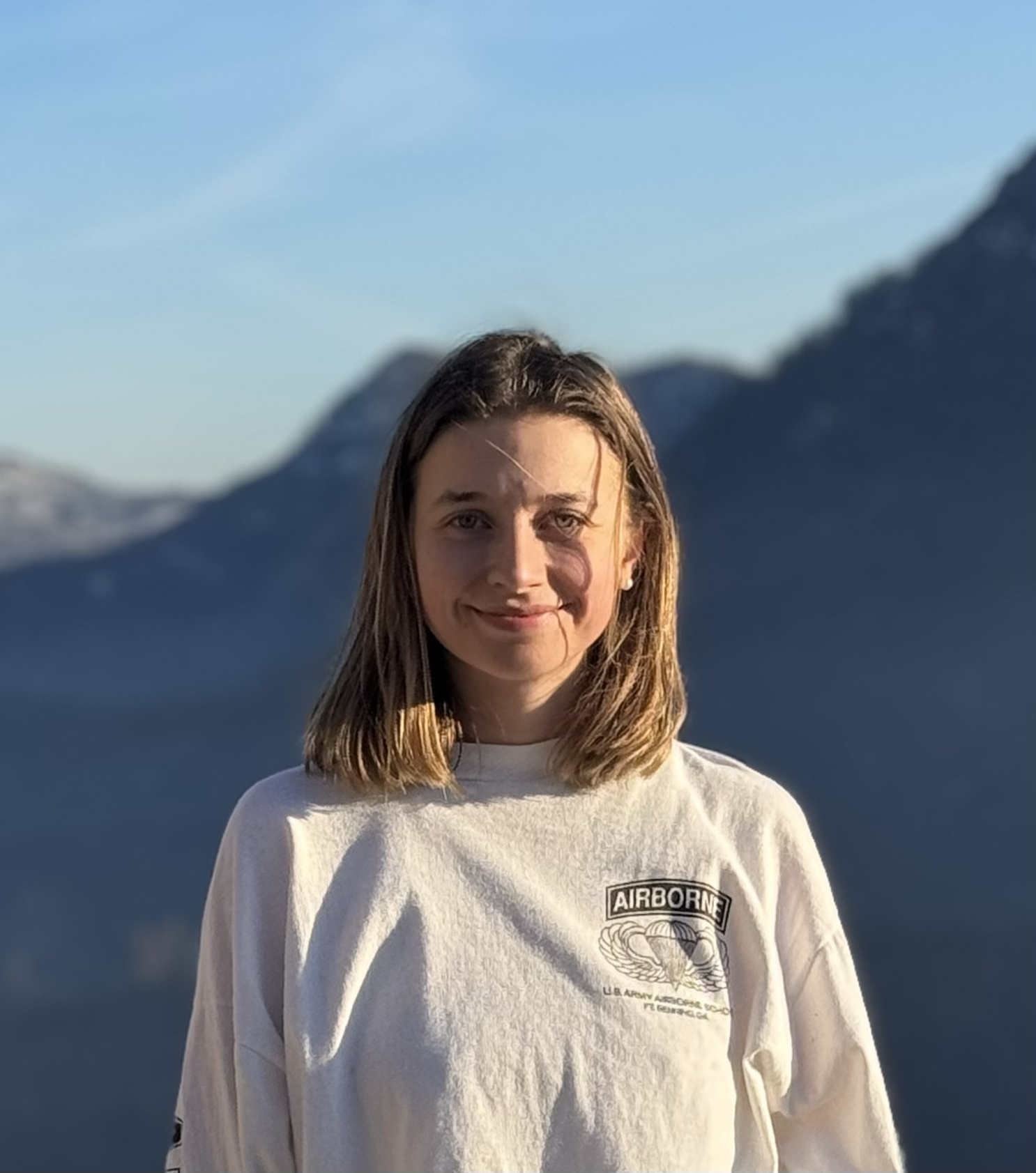
Ida Weiss
MD student
Ida is a student currently pursuing a Bachelor’s degree in Microbiology and Genetics at the University of Vienna, while also studying Medicine at the Medical University of Innsbruck. In her bachelor’s thesis research project, she analyzed small fiber neuropathies at a molecular level, applying histological methods to further characterize the underlying pathology. As part of her medical diploma thesis, she is investigating neurological repeat expansion disorders.
Tobias Waltle
MD student
Open positions
Join our teamPublications
- Ghezzi L, Kuenen S, Pech U, Schoovaerts N, Kilic A, Poovathingal S, Davie K, Lamote J, Praschberger R, Verstreken P. (2026). Parkinson's disease-associated PINK1 loss disrupts ensheathing glia and causes dopaminergic neuron synapse loss. eLife 14:e105386. doi: 10.7554/eLife.105386
- Shridharan RV, Schoovaerts N, Verstreken P, Praschberger R. (2026). Light-inducible FLPase reconstitution enables temporal control of gene expression in Drosophila melanogaster. Cell Rep Methods 6:101409. doi: 10.1016/j.crmeth.2026.101409
- Kaempf N, Valadas JS, Robberechts P, Schoovaerts N, Praschberger R, Ortega A, Nachman E, Ghezzi L, Kilic A, Chabot D, Pech U, Kuenen S, Vilain S, Baz ES, Singh J, Davis J, Liu S, Verstreken P. (2026). Behavioral screening defines the molecular Parkinsonism-related subgroups in Drosophila. Nat Commun 17:3761. doi: 10.1038/s41467-026-70303-8
- Niebrügge N, Trovato O, Praschberger R, Lieb A. (2025). Disease-Associated Dopamine Receptor D2 Variants Exhibit Functional Consequences Depending on Different Heterotrimeric G-Protein Subunit Combinations. Biomedicines 13. doi: 10.3390/biomedicines13010046
- Decet M, Scott P, Kuenen S, Meftah D, Swerts J, Calatayud C, Gallego F, Kaempf N, Nachman E, Praschberger R, Schoovaerts N, Tang C, Eidelberg D, Al Adawi S, Al Asmi A, Nandhagopal R, Verstreken P. (2024). A candidate loss-of-function variant in SGIP1 causes synaptic dysfunction and recessive parkinsonism. Cell Rep Med 5:101749. doi: 10.1016/j.xcrm.2024.101749
- Kinnart I, Imberechts D, Praschberger R, Schoovaerts N, Verfaillie C, Verstreken P, Vandenberghe W. (2024). Elevated a-synuclein levels inhibit mitophagic flux. NPJ Parkinsons Dis 10:80. doi: 10.1038/s41531-024-00696-0
- Praschberger R, Kuenen S, Schoovaerts N, Kampf N, Singh J, Janssens J, Swerts J, Nachman E, Calatayud C, Aerts S, Poovathingal S, Verstreken P. (2023). Neuronal identity defines α-synuclein and tau toxicity. Neuron 111, 1577-1590. doi: 10.1016/j.neuron.2023.02.033
- Balusu S*, Praschberger R*, Lauwers E, De Strooper B, Verstreken P. (2023). Neurodegeneration cell per cell. Neuron 111, 767-786. *contributed equally. doi: 10.1016/j.neuron.2023.01.016
- Praschberger R, Jacquemyn J, Verstreken P. (2021). Molecule-to-Circuit Disease Mechanisms of a Synaptic SNAREopathy. Neuron 109:1-3. doi: 10.1016/j.neuron.2020.12.009
- Jepson JEC, Praschberger R, Krishnakumar SS. (2019). Mechanisms of Neurological Dysfunction in GOSR2 Progressive Myoclonus Epilepsy, a Golgi SNAREopathy. Neuroscience. doi: 10.1016/j.neuroscience.2019.03.057
- Praschberger R, Lowe SA, Malintan NT, Giachello CNG, Patel N, Houlden H, Kullmann DM, Baines RA, Usowicz MM, Krishnakumar SS, Hodge JJL, Rothman JE, Jepson JEC. (2017). Mutations in Membrin/GOSR2 reveal stringent secretory pathway demands of dendritic growth and synaptic integrity. Cell Rep 21, 97-109. doi: 10.1016/j.celrep.2017.09.004
- Praschberger R, Balint B, Mencacci NE, Hersheson J, Rubio-Agusti I, Kullmann D, Bettencourt C, Bhatia K, Houlden H. (2015). Expanding the phenotype and genetic defects associated with the GOSR2 gene. Mov Disord Clin Pract 2, 271-273. doi: 10.1002/mdc3.12190
- Praschberger R, Schranz M, Griffiths WJ, Baumgartner N, Hermann M, Lomas DJ, Pietrangelo A, Cox TM, Vogel W, Zoller H. (2014). Impact of D181V and A69T on the function of ferroportin as an iron export pump and hepcidin receptor. Biochim Biophys Acta 1842: 1406-1412. doi: 10.1016/j.bbadis.2014.05.011
Gallery
Images
Join Us
Open positions
PhD Position
We are currently seeking a PhD student for a fully funded 4 year position. The project will either involve generation and analysis of single-cell RNA sequencing data from neurodegenerative disease models, or detailed mechanistic studies of neuronal cell biology in rare neurogenetic disorders, depending on the successful candidate's profile.
You would join a young team working on basic mechanisms of neurogenetic disease using Drosophila models, human cell systems, microscopy, single-cell RNAseq bioinformatics and genome engineering.
Requirements
A BSc+MSc degree in life sciences or a quantitative discipline such as computer science, or a medical degree, plus familiarity with the Linux command line and basic programming in Python and/or R, or experience with classical wet-lab techniques.
To apply, please send a motivation letter, CV and contact details of two referees to roman.praschberger@i-med.ac.at.
MSc Thesis Projects / MD Thesis Positions
We have MSc projects and MD diploma thesis projects available in neurogenetics and neurodegenerative disease research. Projects can be bioinformatics focused, including single-cell RNAseq or long-read whole-genome sequencing analysis, or experimental, using Drosophila and human cell models.
MD students are encouraged to reach out in the 3rd and 4th year. Please contact roman.praschberger@i-med.ac.at with a brief statement of motivation and a CV.
Funding
We are grateful to our funders
Present funding



Past funding



Contact
Get in touch
Institute of Human Genetics
Medical University of Innsbruck
Peter-Mayr-Straße 1
6020 Innsbruck
Austria